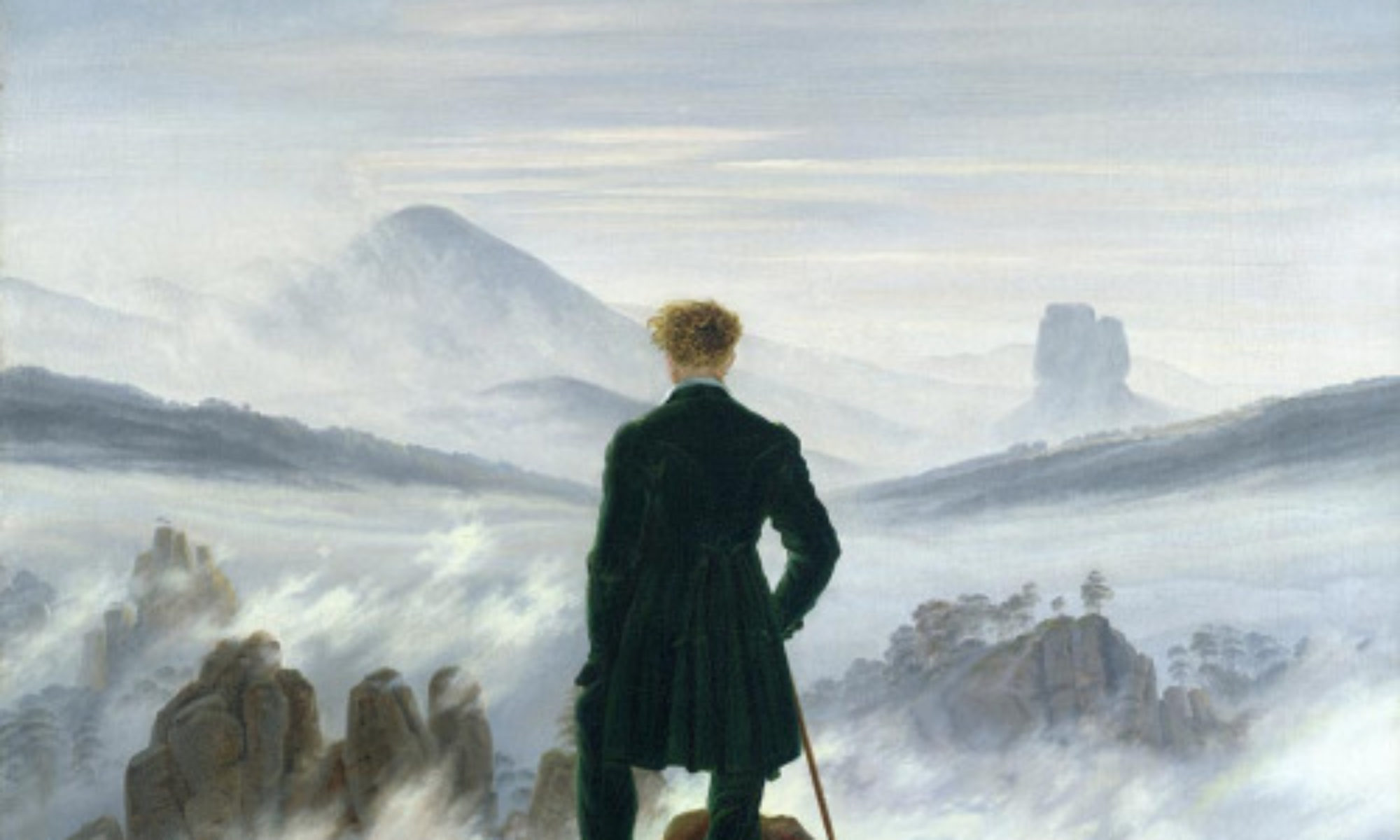
First, an admission: Before this evening I have never taken part in a political or social demonstration. But as a romanticist, I feel very close to revolution, social movements, and political protest. So where is the disjunction? There were numerous excuses I gave for not attending Occupy Wall Street events last year, namely writing a prospectus. But I know I avoided the Occupy movement out of fear. Fear of falling behind on my dissertation; fear of losing funding as a consequence; fear of being pepper sprayed by police; and fear of a stylistic change. How do you go from pumping elbow patches to pumping fists?
Giv en my trepidation, tonight was perhaps the best introduction to protest. In celebration of the one-year anniversary of OWS, Occupy Seattle held a silent demonstration. For someone adverse to large crowds, yelling, and subjective forms of violence, in terms of appearance a silent march was a painless excursion. Regardless, my legs shook the entire time.
In a silent protest, is there anything to really fear? By and large the demonstration was one of the most innocuous experiences I have undergone with strangers. I think on a scale of one to ten, the march ranked at a 1. The American Nightmare concert I attended during college was a 7. But—when you’re a graduate student—it is not often that you are of primary attention for the police. It is a vulnerable feeling to have a dozen or more armed officers trailing you through city streets. Of course, nothing is going to happen, you assure yourself. No transgressions actually engender this fear, but the conditions of the situation do. Structurally, we were surrounded.
With diminished levels of violence, it is questionable how effective a protest can be. Did not the group appear to be a bunch of lackluster whiners blocking traffic, hardly moving through the streets in silence? And yet, the silence produced an eeriness. Recall UC Davis’ Chancellor walking through a silent student protest last year. There was a similar feeling tonight, but the structure was reversed. The silence “emitted” outward from a center and arrested spectators. Passersby stopped and observed; some took photos; some gawked; some didn’t notice. One man howled out, “Occupy!”, then apologized to the crowd for his irreverence. Eerie, yes—but without throwing bricks, engaging police, or detonating bombs it is difficult to make the front page.
But really, silence might be the most violent medium. Academics enacting silence might benefit from Lenin’s example, as Slavoj Žižek describes it: “after the catastrophe of 1914…[Lenin] withdrew to a lonely place in Switzerland, where he ‘learned, learned, and learned’…And this is what we should do today when we find ourselves bombarded with mediatic images of violence” (8).[i] Perhaps, but romanticists are a little touchy when it comes to withdrawing to a secluded place in the face of war and corruption. Rather, we might translate silence to mean neglect. Corporations need the average consumer. They are not cancerous but infantile—neglect corporations and their power withers.
In a way, by studying romantic literature, romanticists have all been taking part in political demonstrations. At the end of the evening, a representative from New York shouted out a “thank you” to New Yorkers for inaugurating Occupy. A young man to my left replied in a low voice, “New York didn’t start Occupy.” Agreed. Forms of protest have a long history, each one particular in its own way, but a history nevertheless with which students of romanticism are familiar. Familiar—but is reading about protest and revolution enough? We lose something when we restrict “reading” to the page. At the same time, it is not as if one marches in a demonstration in 2012 and suddenly “gets” the French Revolution, abolition, or women’s suffrage. However, because revolutions do not die but decompose and scatter informational bits to be picked up and transformed, it is possible to connect to these historical and contemporary events through various media. So let’s make another admission: learning about revolution through study can be a form of protest, in fact, but if your legs never shake you have at least two limbs left uneducated.