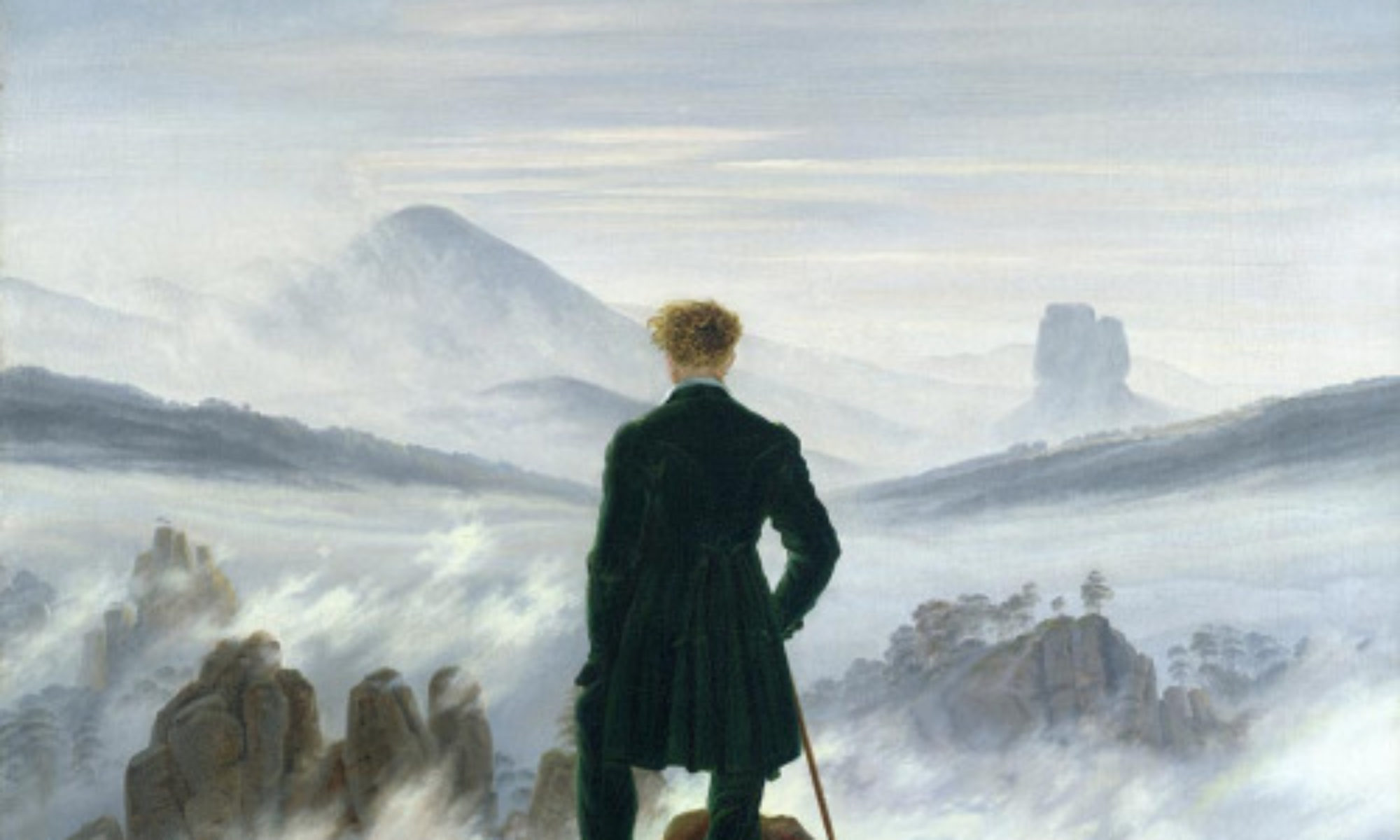
I’ve been musing for a while about how much fun it would be to organize a class for undergraduates centered around the theme of creative writing by youthful authors. Perhaps because of the Romantic association between individuality, genius, and youth (an idea that persists in present-day cultures of information technology), 18th- and 19th-century literature is wonderfully full of examples of juvenile authorship. In this post, I’ll just name a few examples of texts that might pair well together in a class on juvenilia in the 18th and 19th centuries, with special focus on the Romantic period. I’d welcome the additional suggestions of readers! Continue reading “Juvenilia: The Syllabus!”
Romantics, they’re just like you and me: Health fads of the 18th and 19th centuries
If there was one thing* I was completely unprepared for in my pursuit of a PhD, it was the toll grad school would take on my body. After working for several years post-college, I found returning to student life more physically draining than I expected: I hadn’t fully anticipated that my slightly older body would need more sleep and better food than it did in college, that the fonts on my computer would require some magnifying, or that my right wrist would come to demand the support of a carpal tunnel brace. While I realize the hardships of excessive sitting pale in comparison to, say, those of transportation to Botany Bay, that awareness couldn’t fully stop me from dwelling on the chair-bound grad student lifestyle’s surprising tendency to hurt, in places expected…and unexpected.
Perhaps it’s no surprise that as I learned how to take better care of myself as a grad student, I found myself gravitating towards health-related topics in my research. Or perhaps I simply felt vindicated by medical opinion new and old, both of which emphasized the evils of too much sitting. Indeed, Swiss physician Samuel August Tissot’s Essay on Diseases Incident to Literary and Sedentary Persons (1768; translated into English, 1769) would not seem out of place among the numerous recent articles detailing the threat posed by chairs, comfy and otherwise. Tissot’s medical advice is far from the only text that calls to mind current health preoccupations. In this post, I want to highlight a few of my favorites:
Continue reading “Romantics, they’re just like you and me: Health fads of the 18th and 19th centuries”
A Graduate Guide to Guest Lectures, III: Making the Most of the Visit as a Student (especially a new one!)
This post is part of the “Graduate Guide to Guest Lectures” series, a collaborative endeavor by NGSC bloggers Deven Parker, Grace Rexroth, and Conny Fasshauer, all Romanticist graduate students at the University of Colorado at Boulder. Drawing on our collective experiences organizing guest lectures at our university, our aim for this series is to offer advice and tips for NGSC readers hosting visitors at their institutions or attending one of these events.
“New” is relative—we’ve all been students for a long time, in some form or another. But when you’re a graduate student who hasn’t yet taken their exams, or you don’t have as firm a handle on your dissertation project as you’d like, it can be easy to make excuses for yourself that allow you to avoid interacting with visiting scholars. Here are some ways to combat those insecurities. (A note: I’m using CU Boulder’s recent set up for Michael Gamer’s visit—a seminar, a talk, and a few social events. Your university may have different opportunities, so substitute those in wherever appropriate.) Continue reading “A Graduate Guide to Guest Lectures, III: Making the Most of the Visit as a Student (especially a new one!)”
A Graduate Guide to Guest Lectures, II: Networking or “Relationship-Building” on the Road. Literally.
This post is part of the “Graduate Guide to Guest Lectures” series, a collaborative endeavor by NGSC bloggers Deven Parker, Grace Rexroth, and Conny Fasshauer, all Romanticist graduate students at the University of Colorado at Boulder. Drawing on our collective experiences organizing guest lectures at our university, our aim for this series is to offer advice and tips for NGSC readers hosting visitors at their institutions or attending one of these events.
“Networking” is a word I dread more than laundry day.
Because I wandered through the corporate world for several years before finally deciding to go to grad school, the term “networking” conjures up myriad awkward experiences – themed cocktail parties, company logos, uncomfortable seminars where strangers assess the grip of your handshake…it’s not my idea of a fun Friday night.
…and yet…
With English department sizes shrinking, enrollment numbers dropping, and an ever diminishing job market (thanks NY Times op-ed), networking is arguably a skill we need now more than ever. So, in addition to preparing for comps and formulating a prospectus, “networking” has joined the inner sanctum of my PhD goal list. Practically speaking, this means that, in addition to attending conferences (those hallowed networking meccas), I actively seek opportunities for building relationships in the field. “But how does one go about ‘networking’ outside of a conference?” you may ask. The glib answer: become a chauffeur.
Continue reading “A Graduate Guide to Guest Lectures, II: Networking or “Relationship-Building” on the Road. Literally.”
A Graduate Guide to Guest Lectures, I: The Planning Process
This post is part of the “Graduate Guide to Guest Lectures” series, a collaborative endeavor by NGSC bloggers Deven Parker, Grace Rexroth, and Conny Fasshauer, all Romanticist graduate students at the University of Colorado at Boulder. Drawing on our collective experiences organizing guest lectures at our university, our aim for this series to offer advice and tips for NGSC readers hosting visitors at their institutions or attending one of these events. See Grace’s post on transportation as a networking opportunity, and Conny’s post on making the most of the guest’s visit.
Hosting visiting scholars for talks or seminars at your institution can be a wonderful thing. As many NGSC bloggers have recently discussed – like Jacob Leveton in his post about the importance of community building – forming scholarly networks beyond your university not only leads to new friendships but also to opportunities to receive support and guidance in your scholarly endeavors beyond your usual advisors. If you’re a regular reader or contributor to the NGSC blog, I’m sure I don’t need to further extol the benefits of extra-institutional support networks and friendships. That being said, as my contribution to this collaborative series, I’ll discuss the concrete logistics of hosting guests for talks and workshops. Continue reading “A Graduate Guide to Guest Lectures, I: The Planning Process”
John Clare, Biopoetics, and the Romantic Lyric
When I read the blurb for Sara Guyer’s book Reading with John Clare: Biopoetics, Sovereignty, Romanticism in the NASSR bulletin this past July, I felt both fascinated and puzzled. What could Romantic lyric poetry possibly have to do with biopower and its institutional controls? What constitutes a “biopoetics”? A few months have passed and I’ve finally found the time to ask these questions of the book itself, which I’ve found to be a challenging, but ultimately rewarding, read. In this post, I’ll share some insights I’ve gleaned from Reading with John Clare–insights about Clare’s poetry but also about Romantic aesthetics and its legacies more generally.

Continue reading “John Clare, Biopoetics, and the Romantic Lyric”
The Climate of Romanticism: Autumn in Paris 2015
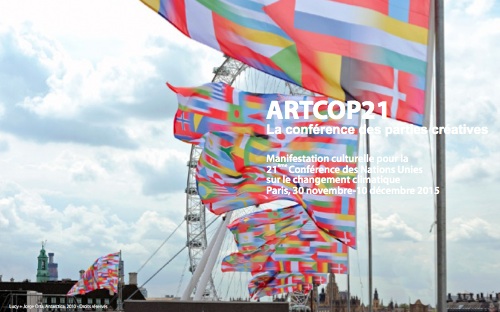
Fall has always been my favorite season. The excitement and energy of a new academic year, with the promise and potential for new experiences, engagements, commitments and ideas never ceases to amaze me. I’ve experienced this to be especially true this fall. Felicitously, and making good on Devoney Looser’s advice regarding applying for fellowships, published on this blog, I received a fellowship to take part in Northwestern’s Paris Program in Critical Theory, a graduate exchange program with the Université Sorbonne Nouvelle. In the Program, you spend the autumn in a seminar covering a select topic in critical theory (this year, belief in Jacques Derrida’s “Faith and Knowledge”) led by Samuel Weber, best known as a theorist, scholar of media, and translator of Derrida and Theodor Adorno. For the rest of the year, you are free to engage in archival research and dissertation writing, and to take part in European academic life. I’ve included a link to the program’s website, since it is open to all graduate students with external funding. With annual graduate fellowships available at most universities in the form of presidential fellowships and other awards that don’t require full-time residence at the home university, in addition to important external awards to apply for, such as the Fulbright program, ACLS/Mellon Dissertation Completion Fellowship, the Chateaubriand Fellowship in the Humanities, and many more, numerous great possibilities exist for grads across the humanities and social sciences to take part in the Paris Program in Critical Theory.
Specifically, I’m in Paris this year for two reasons. First, I’m here to study contemporary French environmental theory as I develop the conceptual framework that’ll drive my dissertation on Blake and ecological politics. Consequently, over the coming months on the blog, expect reading lists and book reviews of the latest in European social thought, with an emphasis on texts that haven’t been translated into English that I imagine will be especially relevant to graduate students generally, and Romanticists especially. There’s also nothing like having an audience to focus and sharpen the mind with language learning, translation, and writing, right?
Yet, this year–as I’m sure most of our readers are already aware–is an especially significant one for climate politics, decades in the making for climate policy experts and negotiators, and centuries in the making, with respect to the conditions those most optimistic among us hope will begin to be overturned: the massive amounts of carbon accruing in the earth’s atmosphere. In December, the United Nations Climate Change Conference (also known as the COP21) will convene in Paris, with the hope of establishing a legally binding universal agreement to begin curtailing carbon emissions. The goal is ultimately to limit the amount of atmospheric carbon to that which will produce no more than a 2°C rise, on average, above pre-industrial levels. So second, and relatedly, my fellowship is geared to support my hope to help document the important visual culture that looks to emerge around the the climate conference. Already, there are prominent stirrings–with the ArtCOP21 cultural festival set to convene in Paris, and across the globe, paralleling the climate summit. All of this, I believe, retains certain implications for the study of Romanticism.
Continue reading “The Climate of Romanticism: Autumn in Paris 2015”
Wordsworth, Cavarero, and the Voice
As fall returns, so does my teaching voice. I don’t talk much during the summer. In its disuse, my voice grows soft and listless. Speaking becomes slightly—just slightly, just at moments—unintuitive. The first words out of my mouth each morning make my body feel like a chance habitation, an improbable accident that naturalizes itself over the course of the day. The intuition at the core of this dissociation is probably accurate, except that it implies I’m somehow distinct from my body, somehow less of an accident than my body.
Continue reading “Wordsworth, Cavarero, and the Voice”
Poem: Canadian Romanticism
This final poem is one I’ve been working on over the last year – the first thing I started thinking about when I joined this project was the (inescapable) connection between colonialism and Romanticist relationships with “the land.” There is a long tradition in Canadian poetry (and American, to an extent) of writing about the settler/pioneer’s emotional connection to the land, one which seems to involve a battle between being controlled by the land (and ultimately driven insane) and being the one in control.
Of course, what is not so much lost as outright ignored in this kind of writing is the existence of other peoples and cultures with their own relationships with the natural world, most obviously in this context the aboriginal peoples of Canada. “The Canadian poets” (by no means an indictment of all Canadian poetry! rather, the name is meant to underscore how unaware the speakers are of other kinds of Canadian poetry) literally gloss over other voices speaking their own relationship between themselves and the landscape around them.
Some of the poems I had in mind in particular, drawn from different time periods and genres, are Earle Birney’s “Bushed,” Gwendolyn MacEwen’s “Dark Pines Under Water,” and Margaret Atwood’s “Progressive Insanities of a Pioneer,” all of which are beautiful poems and well worth reading.
Continue reading “Poem: Canadian Romanticism”
Of Images, Sublime, and the Necessity of Keeping Crossbows Off Ships
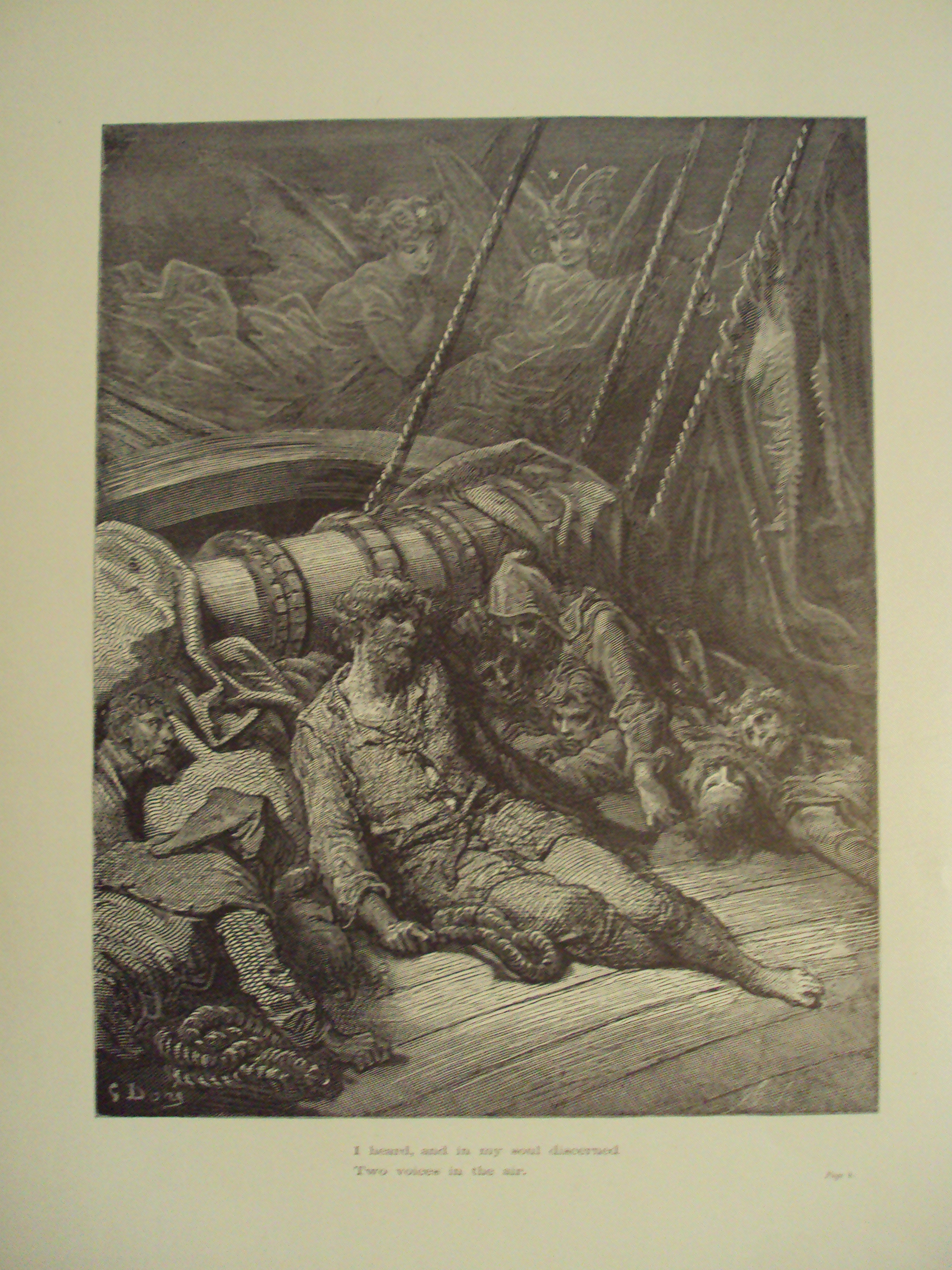 It’s probably not a good first impression upon my new reader to admit that I did not actually re-read The Rime of the Ancient Mariner before I began this first post. I promise it was not out of apathy or laziness. You see, I’ve read the Mariner’s Tale at least ten times in my life, at least four times for school, the other times because my
teachers had instilled in me the beauty and power found within this strange and wonderful poem. This confidence in the material, really my own working knowledge of the poem, allows me to focus instead upon a work of art that has played a significant role in my appreciation of the work. Continue reading “Of Images, Sublime, and the Necessity of Keeping Crossbows Off Ships”