The Problem:
As sometimes happens when reading Romantic literature, I recently came across a chance reference to something that seemed uncannily modern. In A Vindication of the Rights of Woman (1792), Mary Wollstonecraft begins suddenly to comment on the practice of tattooing among “weak-minded” women:
I agree with Rousseau that the physical part of the art of pleasing consists in ornaments, and for that reason I should guard girls against the contagious fondness of dress… When the mind is not sufficiently opened to take pleasure in reflection, the body will be adorned with sedulous care; and ambition will appear in tattooing or painting it. A Romantic-era girl imprudently reading a novel
What?! Wollstonecraft!! Should I be adding sleeve tattoos to my mental image of flighty young ladies prancing around Almack’s in gauzy empire-waist dresses? Continue reading “A Mystery: Romantic Tattoos”
Source: Amazon.com
I know the beginning of the semester (or really any time during the semester) is not the best time for a book recommendation. But, I think you’ll forgive me because this is a fun one and packed with your favorite “literary characters.” Andrew McConnell Stott’sThe Poet and the Vampyre was released late in 2014 and is a biographical amble through the events great and small surrounding the fateful weekend in Diodati that produced the monsters we have come to love. Yet, it also self-consciously dances around that stormy night—one that we can all agree fascinates scholars but has been written about to (un)death—in favor of an in-depth look at the relationships amongst these young poets and poetesses that brought them together and split them apart, primarily focused on Byron’s influence (and curse) upon his young doctor, John Polidori. For years, I have been an apologist for Polidori and his novella, The Vampyre, both of which often get shoved to the side for being important but not necessary or enjoyable. Here is finally an attempt to bring Polidori to life, not just as the spiteful tag-along of more successful poets but as the sympathetic victim of other people’s celebrity. Continue reading “The Poet and the Vampyre: Caught in the "Byron Vortex"”
“Thou art a dreaming thing, / A fever of thyself” – Keats
https://www.youtube.com/watch?v=sQn-vulThcY
Jack Nicholson’s the Joker is the Romantic Visionary artist in extreme. His version of the apocalypse emerges from his diabolical imagination and his scheme to poison Gotham’s commercialized vanity. This is, to recall a quote I used in a previous post, the Romantic Vision on steroids: Continue reading “The Dream of Art in Batman”
With the rapid pace of today’s technologies, the news of any event happening anywhere in the world seems to travel at almost light speed to everywhere else. Whether through Twitter, Instagram, Facebook, or online journalism, the news of a missing jetliner in Southeast Asia or an earthquake in Japan can become common knowledge on the other side of the world almost instantaneously (unless, apparently, the event happens in Africa, but that’s an entirely different topic). Imagine, then, living in an era when the impact of a natural occurrence like a tsunami or hurricane would never be heard about for those who did not experience the phenomenon first hand—a time when news didn’t just travel more slowly, but sometimes didn’t travel at all. Continue reading “The Year Without Summer; or, What Happened in 1816?”
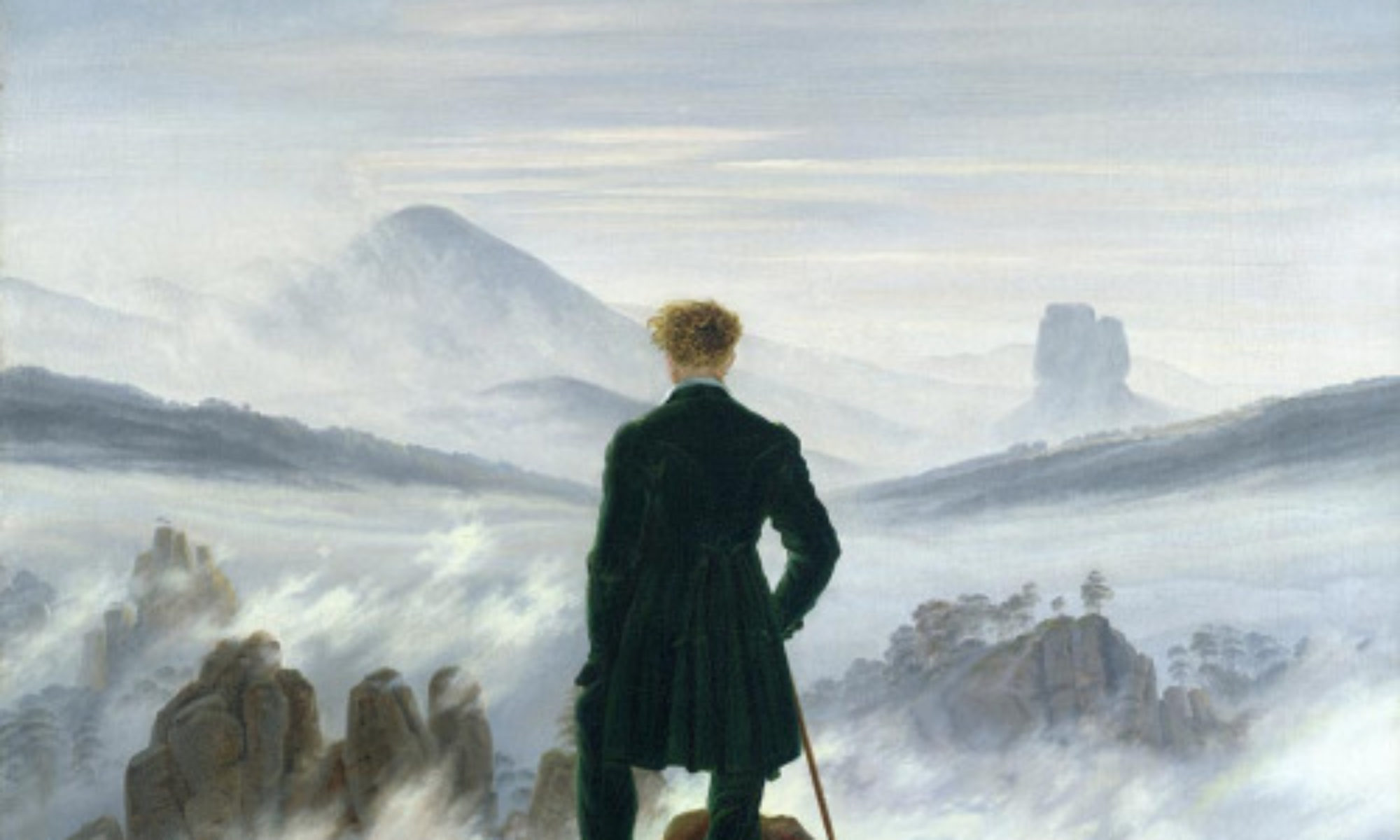
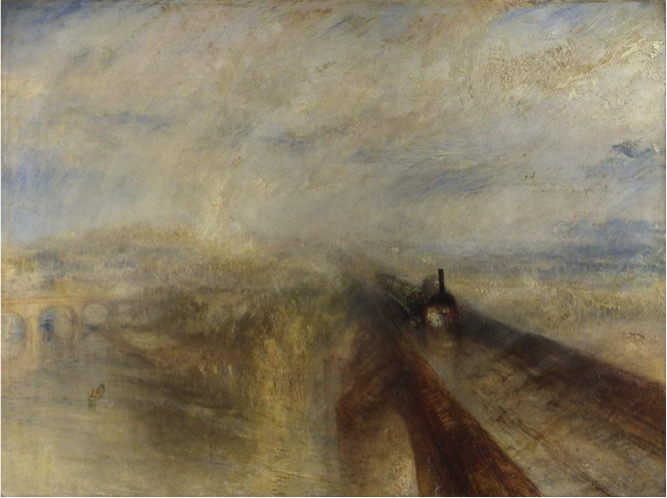
This experimental post responds to the question I’ve been posing for myself for some time: what should I post when preparing for my exams, and have little time for words in the form of a blog? My answer came by way of an assignment I set for myself as part of my contemporary art and ecology exam reading list. Watching the “Ecology” episode of Art21, I was struck by the sculptor Ursula von Rydingsvard’s recalling of a time in her life when words were at a premium. In response, she spoke of continuing to “drink of the world by visual means.” And so, in this post, I wish to simply leave you all with a series of objects that have moved me to thought in various ways while studying for my nineteenth-century and contemporary art exams. I welcome comments on what responses to the images readers of the blog might have. Continue reading “One Thought Fills Immensity”
It seems pointless to argue that graphic novels have an important place in literature at this point. Personally, I took two classes during my undergraduate career that incorporated such texts (including Satrapi’s Persepolis and Bechdel’s Fun Home), but more often than not this is a rare occurrence and something I did not encounter in my graduate coursework. Graphic novels often do not get the attention they deserve, in part because many deem them déclassé due to their graphic nature and/or subject material, but also because they are hard to teach. While graphic novels can be analyzed through literary theory (and should be), the format itself, and most notably, the visual element of such narratives, are in a scholarly discipline all their own. One cannot teach, or even fully enjoy a graphic novel, without at least a bare minimum knowledge of art theory and visual composition. (Understanding Comics: The Invisible Art and Critical Approaches to Comics: Theories and Methods are good places to start.) But then again, neither of these things occupies some alien universe detached from what we as literary scholars already tackle. Continue reading “Graphic Learning: Examples of Well-Researched Comics”
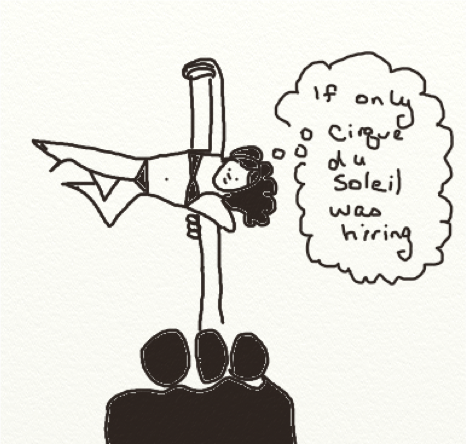
By Katherine Magyarody The contemporary gentlemen’s club may be encapsulated in the image of scantily clad women performing impressive acrobatic routines in front of a beery audience rather less capable of similar athleticism in a windowless building that clings to the seedier edges of town. It seems a fine irony that these strip joints, with their sticky, slick furniture, skewed sexual voyeurism and spilt beer take their moniker from establishments adjoining London’s centre of power, which excluded women, and had large windows from which the elite could watch the world outside without being seen.
Our modern gentleman’s club’s idea of the gentleman is as flat as its beer and as restricted as a bouncer’s facial expressions. There is a much more interesting story to be told, one that tracks the evolution of masculinity and gentility throughout the nineteenth century while touching on wider patterns of socialization. Continue reading “Guest Post: Another Kind of “Gentlemen’s Club”: A Brief Illustrated History of an Institution”
With New Year’s Day behind us, the holiday season may seem to be over… but the great Romanticism-inspired festivals of the bleak midwinter are just beginning. With its plethora of anniversaries, birthdays, saints’ days, and bicentennials, January offers many occasions to host scholarly-themed celebrations that will brighten up your new semester! Below is a sampler of top hits: 2015: Celebrate Artistic Bicentennials with This Reading List
Wordsworth, Collected Poems and The White Doe of Rylstone
Scott, Guy Mannering
Austen, Emma
Peacock, Headlong Hall
Byron, Hebrew Melodies
Shelley, Alastor (written 1815; published Feb. 1816)
Malthus, An Inquiry into the Nature and Progress of Rent
Schubert, Der Erlkönig Grimm’s Fairy Tales, vol. 2 Continue reading “Romantic Midwinter Festivals”
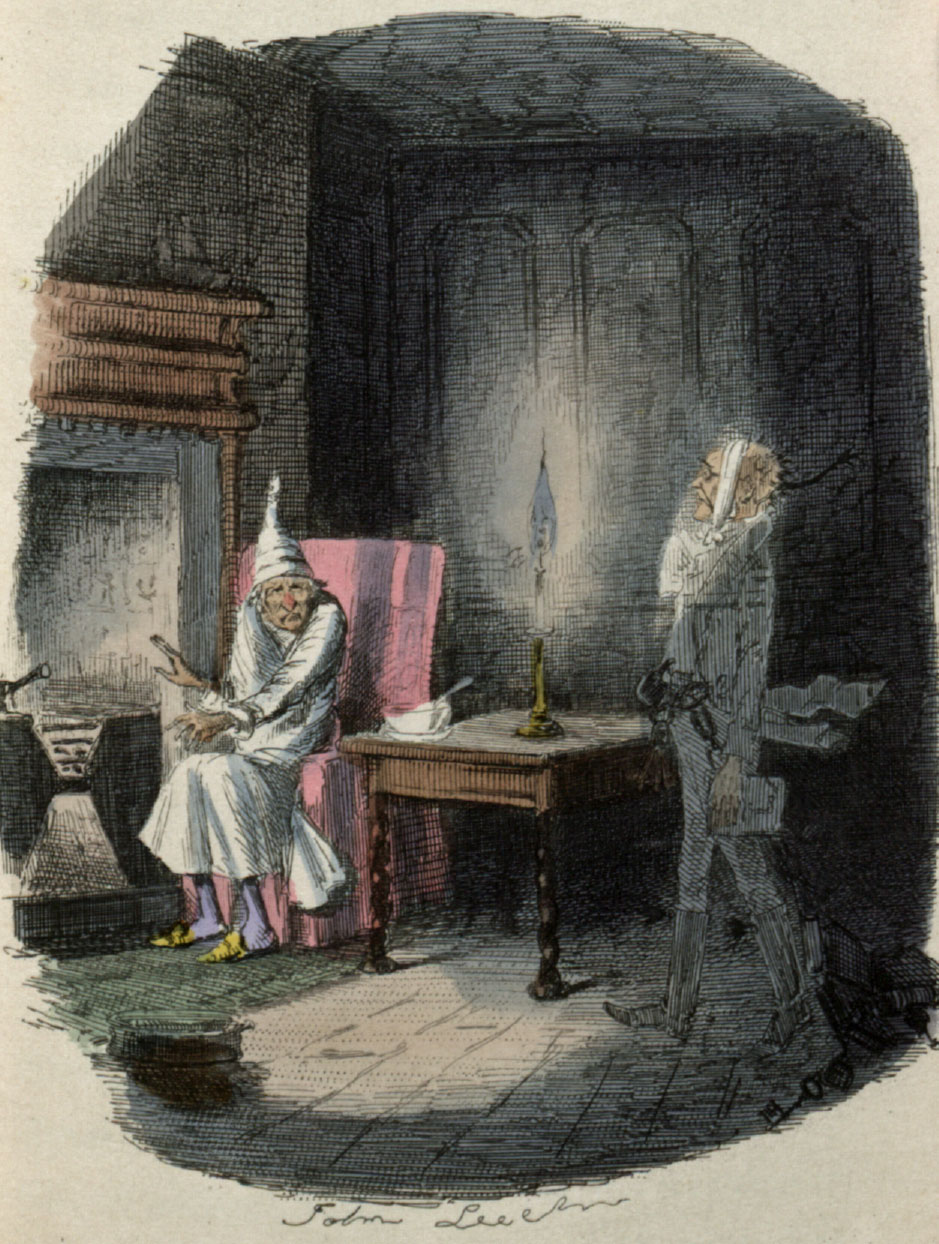
“‘Man of the worldly mind!” replied the Ghost, ‘Do you believe in me or not?’
‘I do,’ said Scrooge. ‘I must. But why do spirits walk the earth, and why do they come to me?’” (Charles Dickens, A Christmas Carol 1843).
Charles Dickens’s A Christmas Carol; A Ghost Story of Christmas has permeated each year’s cultural interpretation of the Christmas spirit, from adaptations like A Muppet Christmas Carol to commercials for the newest gadgets. It’s by far the most recognizable Christmas ghost story. Though we often think of Halloween as the most obvious time for telling ghost stories, Christmas used to hold that office. The Paris Review did an article about this tradition this month, with five recommendations for Christmas ghost stories. The days get shorter, the darkness rolls in and stays there, bringing the cold with it and inviting gatherings around the fireplace with warm drinks, warm company, but chilling tales. I recently became a ghost guide for my town’s ghost walks through its eighteenth-century historic downtown. We mostly run through October, but we’ve started to embrace the traditionally haunting winter evenings (well, not me, with my low tolerance for PA winter temps). In doing the tours, I’ve seen first-hand how the atmosphere created by a small group of people, gathered close in the darkness around flickering candlelight, can produce a belief in ghosts. And it was in this spirit that Dickens drew on a long history of communal ghost stories. Continue reading “'Tis the Season for Haunting: The Ghosts of Christmas Past”
It’s that time of year when we come together with those close to us to celebrate, before the year ends, the things that really matter… like conference proposals (NASSR’s is due January 17th!), chapter drafts, readings from new books, and the other standard fare of the nineteenth-century working group. But concocting the perfect colloquium moves beyond a craft to become an art form, and it is the aim of this post to give you some pointers on preparing that rare colloquium that is truly — well done. Continue reading “The Joy of Colloquium: Recipes for Workshop Success”